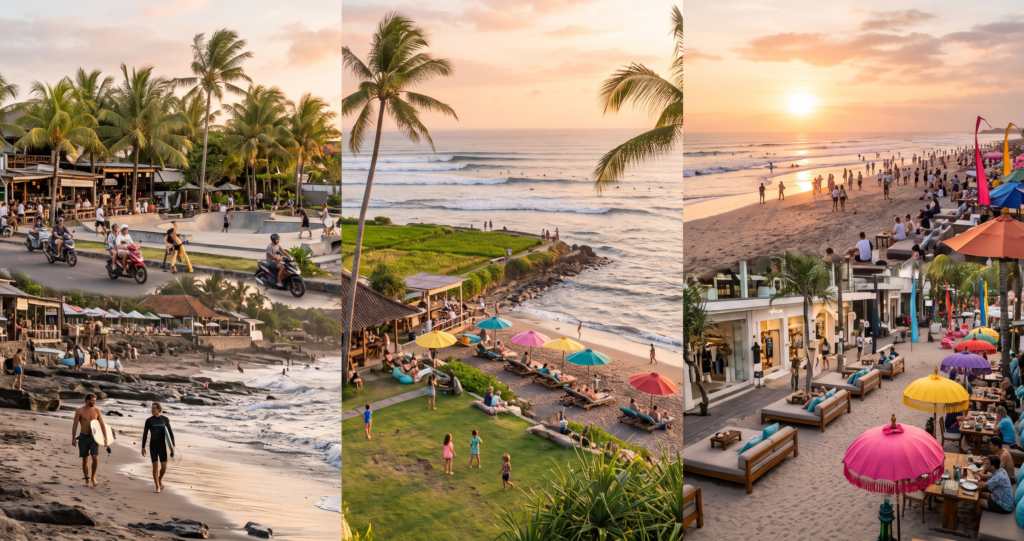
Bali has become one of the world’s most popular destinations for digital nomads. Combining affordable living, reliable internet, vibrant coworking communities, tropical scenery, and a balanced lifestyle, the island attracts freelancers, entrepreneurs, remote employees, and startup founders from around the globe.
Whether you’re planning to stay for one month or several months, Bali offers countless places where you can work productively while enjoying beaches, cafés, wellness activities, and a welcoming international community.
This guide covers the best areas for digital nomads in Bali, internet quality, coworking spaces, accommodation tips, budgeting, and everything you need to know before making the island your temporary home.
Why Bali Is Perfect for Digital Nomads
There are several reasons why Bali consistently ranks among the best destinations for remote workers:
- Affordable cost of living compared to Europe, Australia, or North America
- Strong digital nomad community
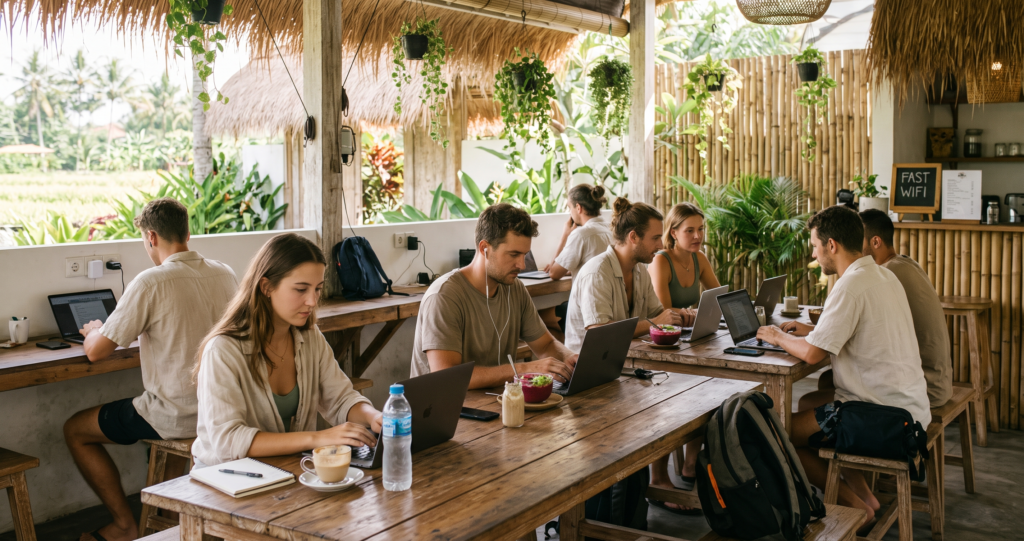
- Excellent cafés with fast WiFi
- Numerous coworking spaces
- Beautiful tropical environment
- Great work-life balance
- Easy access to networking events and workshops
- Plenty of villas and apartments for long stays
Whether you’re a software developer, marketer, designer, content creator, consultant, or online business owner, Bali offers an environment that encourages both productivity and relaxation.
Best Areas for Digital Nomads in Bali
Each area offers a different atmosphere depending on your working style and lifestyle preferences.
1. Canggu – Bali’s Digital Nomad Hub
Canggu has become the center of Bali’s remote work culture.
Why people love Canggu:
- Hundreds of cafés with reliable WiFi
- Popular coworking spaces
- Surf beaches
- Active startup community
- Daily networking events
- International restaurants
- Fitness centers and yoga studios
- Vibrant nightlife
Canggu is ideal if you enjoy meeting other entrepreneurs and working in lively environments.
Potential downsides include heavier traffic and higher accommodation prices than other parts of Bali.
2. Pererenan – A Quieter Alternative
Located just minutes from Canggu, Pererenan has quickly become one of Bali’s fastest-growing neighborhoods for long-term visitors.
Advantages include:
- Less crowded streets
- Peaceful atmosphere
- Beautiful rice fields
- Excellent cafés
- Reliable internet
- Easy access to Canggu
- Premium villas
- Better environment for focused work
Many remote workers choose Pererenan because it provides a calmer lifestyle without sacrificing convenience.
If you’re looking for a peaceful long-stay villa while remaining close to coworking spaces, Pererenan is one of the best options.
3. Ubud – Best for Wellness and Creativity
Ubud attracts writers, designers, artists, and entrepreneurs seeking inspiration.
Highlights include:
- Jungle surroundings
- Yoga retreats
- Wellness centers
- Organic cafés
- Quiet environment
- Creative community
- Cultural attractions
While internet quality has improved significantly, some areas outside central Ubud may still experience slower speeds compared to southern Bali.
4. Seminyak – Convenience and Luxury
Seminyak offers a more upscale lifestyle.
Benefits include:
- Luxury restaurants
- Beach clubs
- High-end villas
- Shopping
- Reliable internet
- Modern cafés
It’s a great choice for professionals who enjoy premium amenities and easy access to entertainment.
5. Sanur – Relaxed Coastal Living
Sanur has become increasingly popular among remote workers seeking a slower pace.
Advantages:
- Quiet beaches
- Family-friendly atmosphere
- Flat roads for cycling
- Good healthcare facilities
- Comfortable cafés
- Less traffic
Sanur suits professionals who prioritize peace over nightlife.
Internet and WiFi in Bali
Reliable internet is one of the biggest concerns for remote workers.
Fortunately, Bali’s internet infrastructure has improved significantly over recent years.
Typical internet speeds include:
- Coworking spaces: 100–500 Mbps
- Modern cafés: 50–200 Mbps
- Villas with fiber internet: 100–300 Mbps
- Hotels: varies depending on the property
For professionals who regularly attend Zoom meetings or upload large files, it’s always wise to ask accommodation providers for recent speed test results before booking.
Having a local SIM card with generous mobile data also serves as a useful backup during power or internet interruptions.
Best Coworking Spaces in Bali
Digital nomads have access to numerous coworking spaces across the island.
Popular options include:
- Dojo Bali
- Tropical Nomad
- BWork Bali
- Outpost
- Kinship Studio
- Genius Café
These spaces typically offer:
- High-speed internet
- Air-conditioned workspaces
- Meeting rooms
- Private offices
- Networking events
- Coffee and refreshments
- Printing facilities
Many also host workshops, startup meetups, and community gatherings that make networking much easier.
Cost of Living for Digital Nomads
Your monthly budget depends largely on your lifestyle.
Here’s a rough estimate:
| Expense | Budget Range (USD/month) |
| Accommodation | $600–1,800 |
| Food | $250–600 |
| Coworking | $100–250 |
| Transportation | $80–200 |
| Entertainment | $150–500 |
Many digital nomads comfortably live in Bali on approximately $1,300–2,500 per month, while those seeking luxury accommodations may spend considerably more.
Finding Long-Stay Accommodation
One of the biggest advantages of living in Bali is the wide selection of long-stay accommodation.
Options include:
- Private villas
- Apartments
- Guesthouses
- Boutique hotels
- Coliving spaces
When searching for long-term housing, consider:
- Internet speed
- Workspace availability
- Air conditioning
- Quiet surroundings
- Distance to cafés
- Access to supermarkets
- Security
- Monthly rental discounts
Booking directly for stays of one month or longer often provides better pricing than nightly rates.
Transportation Around Bali
Most digital nomads rent scooters because they’re affordable and convenient.
Other transportation options include:
- Ride-hailing apps
- Private drivers
- Taxi services
- Car rentals
If you’re not comfortable riding a scooter, using ride-hailing services is often the safest and most convenient alternative.
Cafés with Great WiFi
Many cafés in Bali are designed with remote workers in mind.
Features often include:
- Fast internet
- Plenty of power outlets
- Comfortable seating
- Air conditioning
- Quiet corners
- Specialty coffee
- Healthy meals
It’s common for digital nomads to spend several hours working from cafés while enjoying breakfast or lunch.
Visa Considerations
Before planning a long stay, research the most suitable visa based on your nationality and intended duration.
Depending on your circumstances, options may include:
- Tourist visas
- Visa extensions
- Long-stay permits
- Business-related visas
Always verify the latest immigration regulations before traveling, as visa policies can change.
Tips for Staying Productive in Bali
Working remotely from paradise can be challenging if you’re easily distracted.
Here are a few productivity tips:
- Create a daily work schedule.
- Choose accommodation with a dedicated workspace.
- Alternate between cafés and coworking spaces.
- Use noise-canceling headphones.
- Keep a backup mobile hotspot.
- Avoid peak traffic hours.
- Schedule meetings around your most productive hours.
- Take regular breaks to enjoy Bali’s beaches and nature.
Maintaining a healthy balance between work and leisure helps prevent burnout during long stays.
Frequently Asked Questions
Is Bali good for digital nomads?
Yes. Bali offers affordable living, fast internet, excellent coworking spaces, beautiful scenery, and one of the world’s largest digital nomad communities.
Which area is best for digital nomads in Bali?
Canggu is the most popular choice, while Pererenan offers a quieter alternative. Ubud suits creatives, Seminyak provides luxury living, and Sanur is ideal for a relaxed lifestyle.
Is WiFi reliable in Bali?
Yes. Most coworking spaces, cafés, and modern villas provide reliable fiber internet suitable for video calls and remote work.
How much does it cost to live in Bali as a digital nomad?
Most remote workers spend between $1,300 and $2,500 per month, depending on accommodation, dining preferences, and lifestyle.
Where should I stay for a long-term remote work trip?
If you’re looking for a peaceful base close to Bali’s best cafés, coworking spaces, and beaches, Villa Shanaya in Pererenan is an excellent choice. Offering a tranquil atmosphere, fast WiFi, spacious living areas, and easy access to Canggu, it’s ideal for digital nomads planning an extended stay while maintaining productivity and enjoying Bali’s relaxed lifestyle.